
Islands · Scottish Islands
Benbecula
Also known as: Beinn na Faoghla, Beinn nam Fadhla
In or near Balivanich.
Benbecula — island of the Outer Hebrides, Scotland, UK.

Wikimedia Commons contributors — see linked file page for photographer and licence licence

Plan your visit
- Typical visit
- 4 h–12 h
- Free entry
- Dog-friendly
Getting there & planning your visit
Benbecula is located in the Scottish Highlands, with the postcode HS7 5PZ for sat-nav coordinates. Entry to the island is free. There is no nearest railway station, as Benbecula is a remote island.
About
Benbecula is a island in the United Kingdom. It covers approximately 82 km². Recent population estimates put it at around 1,303 people. Part of Outer Hebrides. Wikidata describes it as: "island of the Outer Hebrides, Scotland, UK". Coordinates: 57.4458°, -7.3196°.
Photo gallery
Official information
Benbecula is an island in the Outer Hebrides, known for its stunning landscapes and rich cultural heritage. Visitors can explore various outdoor activities, including cycling along the Hebridean Way, and enjoy the local wildlife and scenery.
From the Wikipedia article
Benbecula ( ben-BEK-yuul-ə; Scottish Gaelic: Beinn nam Fadhla or Beinn na Faoghla) is an island of the Outer Hebrides in the Atlantic Ocean off the west coast of Scotland. In the 2022 census it had a resident population of 1,255 including a sizable percentage of Roman Catholics. It is in a zone administered by Comhairle nan Eilean Siar or the Western Isles Council. The island is about 12 kilometres (7 miles) from west to east and a similar distance from north to south. It lies between the islands of North Uist and South Uist and is connected to both by road causeways. Benbecula's main settlement and administrative centre is Balivanich (Scottish Gaelic: Baile a' Mhanaich, meaning "Town of the Monk"). In 1746, Bonnie Prince Charlie was caught in a storm and forced to land on Benbecula. The population of Benbecula were sympathetic to the Jacobite cause, and smuggled him off the island to safety, as the song has it: "over the sea to Skye". In 2006, local residents took control of parts of the island in a community buy-out. The previous landowners, a sporting syndicate, sold their 372-square-kilometre (92,000-acre) estate, which included Benbecula, South Uist and Eriskay, for £4.5 million, to a community-owned organisation known as Stòras Uibhist, which now manages the land in perpetuity.
Excerpt from Wikipedia under CC BY-SA 4.0. See the source article linked in Sources below.
Background
History
A number of standing stones from the Neolithic period are scattered throughout the island, including the remains of a stone circle at Rubha Bhidein, adjacent to the traditional ford to Grimsay. In addition to these, the remains of two chambered cairns lie between Loch Ba Una, and Loch nan Clachan. A Beaker site has been identified a Rossinish. The island is rich in built remains from the Iron Age, though they are generally in poor condition. A number of small island forts can be found throughout Benbecula, particularly on Loch Olabhat, but the most substantial is Dun Buidhe, near Balivanich, which has a series of causeways linking it to the loch shore, via Eilean Dubh (Black Island); a…
Sourced from Wikipedia under CC BY-SA 4.0.
- Coordinates
- 57.4458, -7.3196
- District
- Na h-Eileanan Siar
- Postcode
- HS7 5PZ
- Parliamentary constituency
- Na h-Eileanan an Iar
- Population
- 1,303
- Official site
- www.isle-of-benbecula.co.uk
Sources
- wikidata: Q755739 (CC0)
- wikipedia: Benbecula (CC BY-SA 4.0)
- commons: Benbecula Beach.jpg (CC BY-SA 4.0)
Other places nearby

Uist
Islands · 0.0 km

Àiridh na h-Aon Oidhche
Archaeological sites · 0.9 km

Stiarabhal
Mountains & hills · 0.9 km

Griminish Parish Church, Benbecula
Historic churches · 0.9 km

Creagorry
Villages · 1.4 km

Dùn Aonais
Archaeological sites · 1.5 km

Benbecula, Loch Hermidale
Vineyards · 1.7 km

Dun Mhic Uisdein
Archaeological sites · 1.7 km

Rueval
Mountains & hills · 1.8 km

Ruabhal
Mountains & hills · 2.0 km

Loch Fada
Lakes · 2.9 km

Dùn Bhorosdail
Archaeological sites · 3.0 km
Nearby
📷 4📷 3Archaeological sites · Scottish Islands
Àiridh na h-Aon Oidhche
Àiridh na h-Aon Oidhche — an archaeological site in Scottish Islands, United Kingdom.
📷 5Mountains & hills · Scottish Islands
Stiarabhal
Stiarabhal — mountain in scotland highlands. Elevation: 56 m.
📷 5Historic churches · Scottish Islands
Griminish Parish Church, Benbecula
Griminish Parish Church, Benbecula — category C listed building-listed church in scotland-highlands, United Kingdom.
📷 5📷 5Archaeological sites · Scottish Islands
Dùn Aonais
Dùn Aonais — an archaeological site in Scottish Islands, United Kingdom.
Where to eat & stay near Benbecula
Places to stay
 📷 5
📷 5Campsites · Scottish Islands
Shellbay Caravan & Camping Park
Shellbay Caravan & Camping Park — a campsite in scotland highlands.
 📷 5
📷 5Hostels · Scottish Islands
Ostail Bhaile nan Cailleach
Ostail Bhaile nan Cailleach — a hostel in scotland highlands.
 📷 5
📷 5Campsites · Scottish Islands
The Creel Yard Camp site and Bunk Houses
The Creel Yard Camp site and Bunk Houses — a campsite in scotland highlands.
 📷 5📷 5
Campsites · Scottish Islands
Moorcroft Campsite and Bunkhouse
Moorcroft Campsite and Bunkhouse — a campsite in scotland highlands.
 📷 5
📷 5Places to eat & drink
 📷 5
📷 5More places in this region
 📷 5
📷 5Islands · Scottish Islands
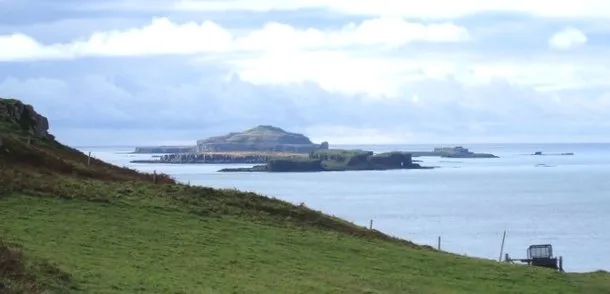
Bac Beag
Bac Beag — Scottish island, part of the Treshnish Isles in the Inner Hebrides.
 📷 5
📷 5Islands · Scottish Islands
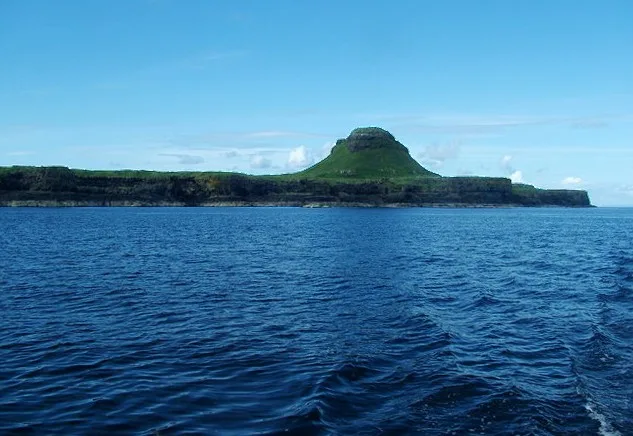
Bac Mòr
Bac Mòr — island in Argyll and Bute, Scotland, UK, one of the Treshnish Isles.
 Flagship📷 3
Islands · Scottish Islands
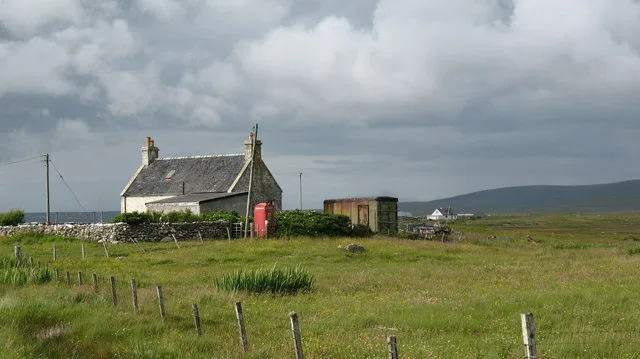
Baleshare
Baleshare — flat tidal island in the Outer Hebrides, Scotland, UK.
 Flagship📷 5
Islands · Scottish Islands
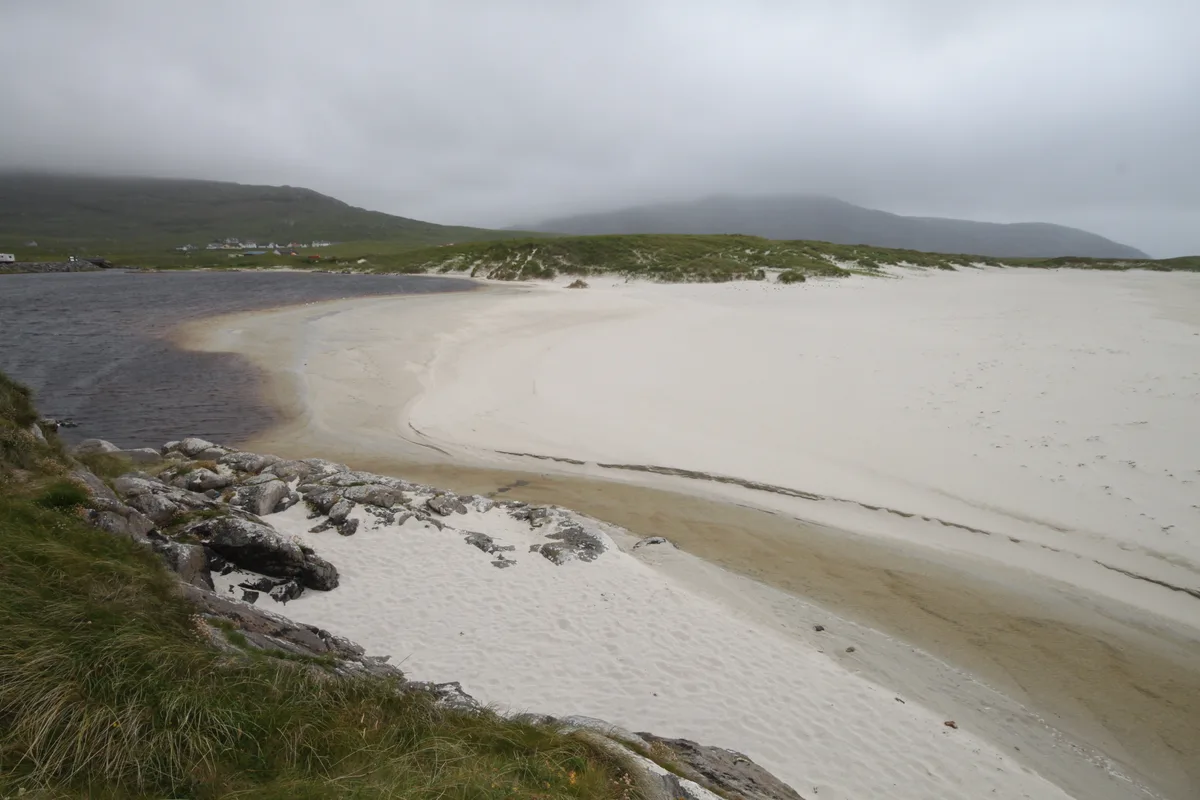
Barra
Barra — island in Outer Hebrides, Scotland, UK.
Frequently asked questions
- Where is Benbecula?
- Benbecula is in the Scottish Islands, United Kingdom (postcode HS7 5PZ).
- What is Benbecula?
- Benbecula — island of the Outer Hebrides, Scotland, UK.
- How do I get to Benbecula?
- The nearest town is Balivanich. Drivers can use postcode HS7 5PZ.
- Is Benbecula free to visit?
- Yes, Benbecula is free to enter.
- How do I get to Benbecula?
- Drivers can navigate to postcode HS7 5PZ. It sits within the Na h-Eileanan an Iar parliamentary constituency.