
Historic houses · South West England
Bath Assembly Rooms
In or near Bathford.
Bath Assembly Rooms — a Grade I-listed historic house in england-south-east, United Kingdom.

Philip Halling — CC BY-SA 2.0 via Wikimedia Commons licence

Plan your visit
- Typical visit
- 1 h–2 h
- Nearest railway station
- Bath Spa · 1.0 km
- Family-friendly
- Wheelchair accessible
Getting there & planning your visit
To visit the Bath Assembly Rooms, the nearest railway station is Bath Spa, located 1 km away. The postcode for sat-nav is BA1 2QH, and the venue is wheelchair accessible.
About
Bath Assembly Rooms is a Grade I-listed building in england-south-east, United Kingdom. Grade I status is conferred by Historic England (or Cadw, Historic Environment Scotland or NIEA equivalents) on buildings of exceptional national interest. See the linked Wikipedia article for full historical and architectural details.
Photo gallery
Summary from the official site
The Bath Assembly Rooms, designed by John Wood the Younger, is a Grade 1 listed building that played a central role in Georgian society, hosting various social events such as balls and concerts. Currently closed for renovations, the National Trust is developing a new visitor experience while continuing to engage the community through special events and programming.
Read more on the official property page.
Protected designations
- Site of Special Scientific Interest: Combe Down and Bathampton Down Mines SSSI
- Area of Outstanding Natural Beauty: Cotswolds
Designations sourced from Natural England open data under OGL v3.
From the Wikipedia article
The Bath Assembly Rooms, designed by John Wood, the Younger in 1769, are a set of assembly rooms located in the heart of the World Heritage City of Bath in England which are now open to the public as a visitor attraction. They are designated as a Grade I listed building. During the Georgian era Bath became fashionable, and the architects John Wood, the Elder, and his son laid out new areas of housing for residents and visitors. Assembly rooms had been built early in the 18th century, but a new venue for balls, concerts and gambling was envisaged in the area between Queen Square, The Circus and the Royal Crescent. Robert Adam submitted a proposal that was rejected as too expensive. John Wood, the Younger raised funding through a tontine, and construction started in 1769. The new or upper assembly rooms opened with a grand ball in 1771 and became the hub of fashionable society, being frequented by Jane Austen and Charles Dickens, along with the nobility of the time. The building, made of Bath stone, is arranged in a U shape. There are four main function rooms in the complex: the 100-foot-long (30 m) ballroom—the largest Georgian interior in Bath; the tea room; the card room; and the octagon. The rooms have Whitefriars crystal chandeliers and are decorated with fine art. In the 20th century, they were used as a cinema, and in 1931, were taken over by the Society for the Protection of Ancient Buildings and restored. They were bombed and burnt out during the Second World War, with restoration undertaken by Sir Albert Richardson before reopening in 1963. They are now owned and operated by the National Trust and were operated by Bath and North East Somerset Council for public functions until March 2023. The basement of the building provided a home to the Fashion Museum but this closed in October 2022 after a break clause in the lease was enacted. The exhibits have been placed into storage as the Museum seeks funding for a permanent new home within the city.
Excerpt from Wikipedia under CC BY-SA 4.0. See the source article linked in Sources below.
Background
History
Several areas of Bath had undergone development during the Stuart period; development increased during Georgian times, however, in response to the increasing number of visitors to the spa and resort town who required accommodation. The architects John Wood, the Elder and his son John Wood, the Younger laid out the new quarters in streets and squares, the identical façades of which gave an impression of palatial scale and classical decorum. Much of the creamy honey-coloured Bath stone used for construction throughout the city was obtained from the limestone Combe Down and Bathampton Down Mines owned by Ralph Allen (1694–1764). The development at this time largely consisted of new residential…
Architecture
The limestone building has a slate hipped roof. It is rectangular with a projecting doric portico entrance and an extension to the rear. The Ballroom has five chandeliers and capacity for up to 500 people. It is over 100 ft long and nearly 45 ft wide. It is 60 ft long and 42 ft wide. It is 42 ft across. In 1777, the Card Room was added. Philip Thicknesse in his 1778 'New Bath Guide' admired the architecture of the New or Upper Rooms but thought that 'in spite of all these Advantages, we much doubt, whether it be true that the Upper Rooms shew Female Beauty so advantageously as the Lower.... We have examined too, with a Degree of particular Attention, some of the most Admired Beauties of the…
Visiting
Today, the rooms are owned and operated by the National Trust. They are used currently used as a venue for partnership exhibitions and concerts, including ones that are part of the Bath International Music Festival. The basement of the building provided a home to the Fashion Museum, which was known before 2007 as the Museum of Costume, until its closure in October 2022. The collection was started by Doris Langley Moore, who gave her collection to the city of Bath in 1963. It focuses on fashionable dress for men, women and children from the late 16th century to the present day and has more than 30,000 objects. The earliest pieces are embroidered shirts and gloves from about 1600. The…
Sourced from Wikipedia under CC BY-SA 4.0.
- Coordinates
- 51.3861, -2.3622
- District
- Bath and North East Somerset
- Parish
- Bath and North East Somerset, unparished area
- Postcode
- BA1 2QH
- Parliamentary constituency
- Bath
- Phone
- 01225477789
- Established
- 1771
- Nearest railway station
- Bath Spa — 1 km
- Opening
- Mo-Su 10:30-18:00
- Official site
- www.nationaltrust.org.uk
Sources
- wikidata: Q2867020 (CC0)
- wikipedia: Bath Assembly Rooms (CC BY-SA 4.0)
- fsq: 4b06707ef964a520d7eb22e3 (Apache-2.0)
Other places nearby

Fashion Museum, Bath
Museums · 0.0 km

Assembly Rooms and Fashion Museum
Museums · 0.0 km
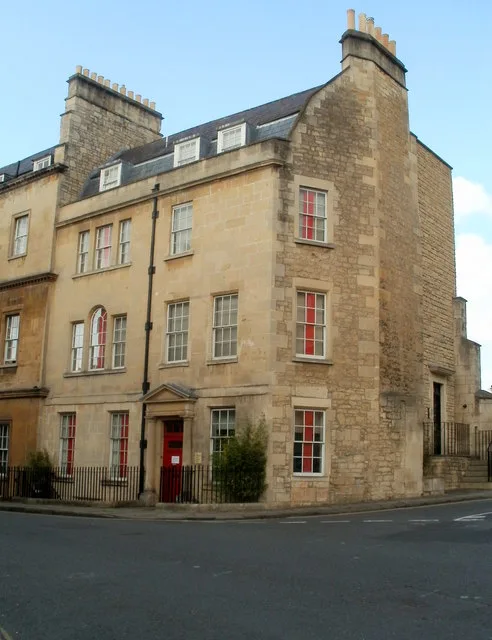
Museum of East Asian Art
Galleries · 0.1 km
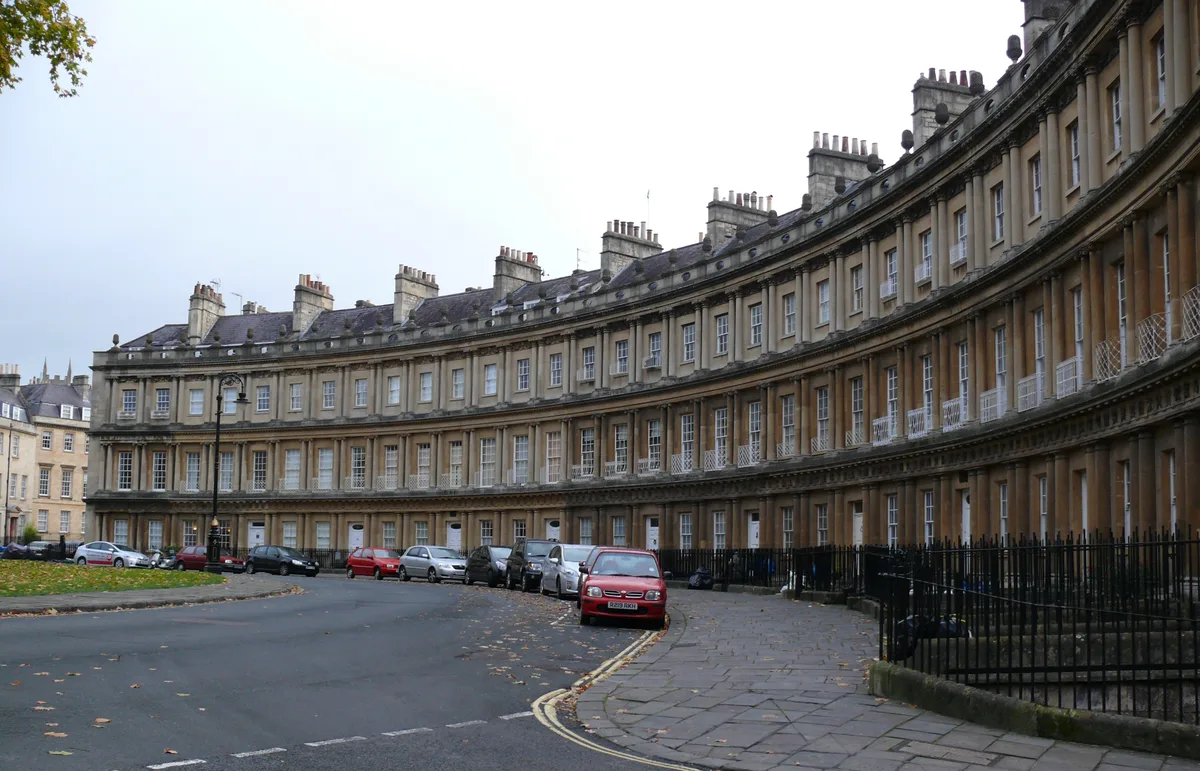
The Circus
Museums · 0.1 km

Olive Tree Restaurant
Restaurants · 0.1 km

Clayton’s Kitchen
Restaurants · 0.1 km

The Beefy Boys
Restaurants · 0.1 km

Museum of Bath Architecture
Gardens · 0.2 km

Miller & Carter
Restaurants · 0.2 km
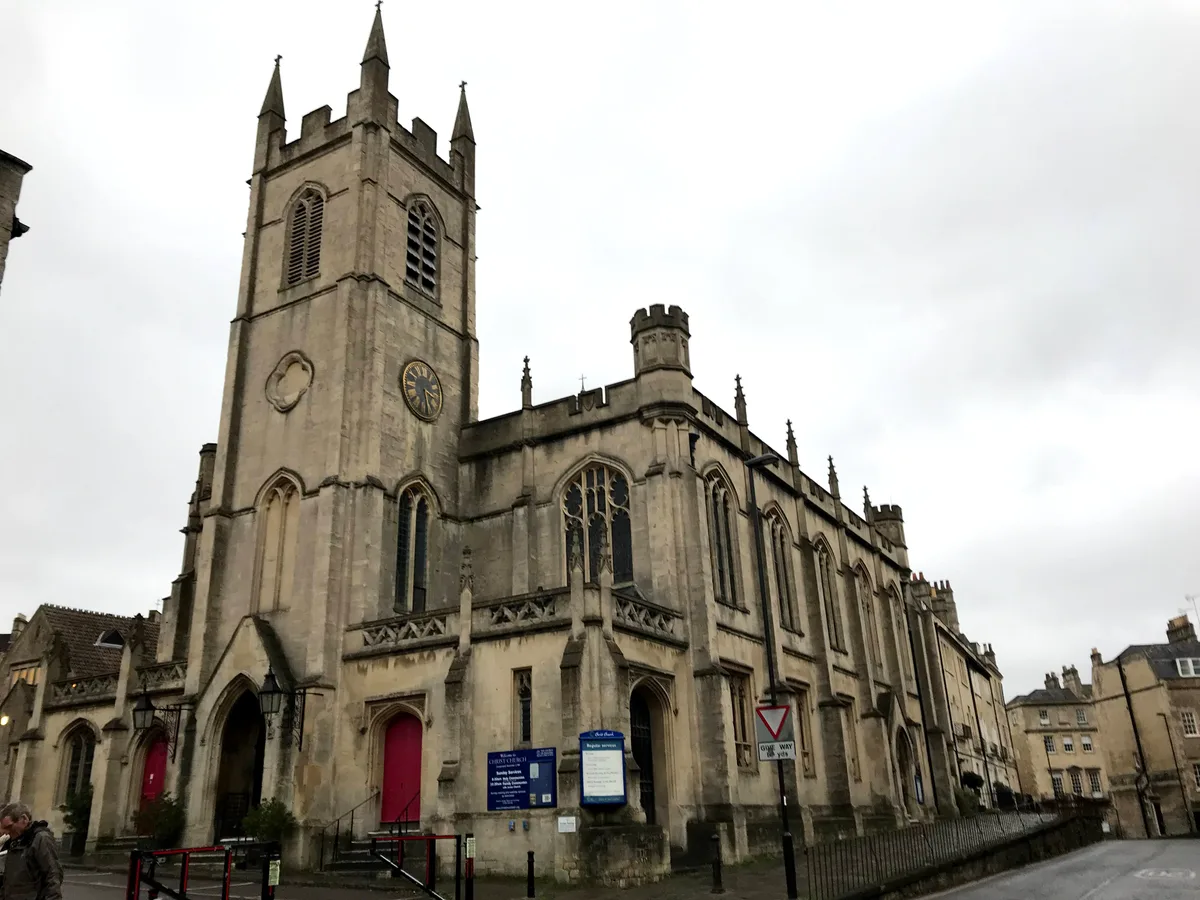
Christ Church, Bath
Historic churches · 0.2 km

36, Brock Street
Historic houses · 0.2 km
1, Brock Street
Historic houses · 0.2 km
Nearby
📷 5Museums · South West England
Fashion Museum, Bath
Fashion Museum, Bath — a museum in england-south-east, United Kingdom.
📷 5Museums · South West England
Assembly Rooms and Fashion Museum
Assembly Rooms and Fashion Museum — a museum in South West England, United Kingdom.
📷 5Galleries · South West England
Museum of East Asian Art
Museum of East Asian Art — museum in Bath, United Kingdom.
📷 5Museums · South West England
The Circus
The Circus — ring of large townhouses in Bath, UK, forming a circle with three entrances.
📷 5Restaurants · South West England
Olive Tree Restaurant
Olive Tree Restaurant — a restaurant in england south east.
📷 7Restaurants · South West England
Clayton’s Kitchen
Clayton’s Kitchen — a restaurant in england south east.
Where to eat & stay near Bath Assembly Rooms
Places to stay
 📷 5
📷 5Hostels · South West England
Bath YMCA
Bath YMCA — a hostel in england south east.
 📷 7
📷 7Hotels · South West England
DoubleTree by Hilton Bath
DoubleTree by Hilton Bath — a hotel in england south east. 4-star. Brand: DoubleTree.
 📷 5
📷 5Hotels · South West England
Haringtons Hotel
Haringtons Hotel — a hotel in england south east.
 📷 5
📷 5B&Bs · South West England
The Kennard Hotel
The Kennard Hotel — a bed-and-breakfast in england south east.
 📷 5
📷 5Hotels · South West England
The Royal Crescent Hotel
The Royal Crescent Hotel — a hotel in england south east.
 📷 5
📷 5Hotels · South West England
The Lansdown Grove Hotel
The Lansdown Grove Hotel — a hotel in england south east.
Places to eat & drink
📷 5Restaurants · South West England
Olive Tree Restaurant
Olive Tree Restaurant — a restaurant in england south east.
📷 7Restaurants · South West England
Clayton’s Kitchen
Clayton’s Kitchen — a restaurant in england south east.
📷 5Restaurants · South West England
The Beefy Boys
The Beefy Boys — a restaurant in england south east.
📷 7Restaurants · South West England
Miller & Carter
Miller & Carter — a restaurant in england south east. Cuisine: steak. Brand: Miller & Carter.
 📷 5
📷 5Restaurants · South West England
Colosseo
Colosseo — a restaurant in england south east.
 📷 5
📷 5Other works by John Wood
 📷 5
📷 5Historic houses · South West England
2 North Parade
2 North Parade — building in Bath, UK; part of Abbey Hotel.
 📷 5
📷 5Historic houses · South West England
41, Gay Street
41, Gay Street — Grade I listed house in Bath, Somerset, England, UK.
 📷 5
📷 5Historic houses · South West England
Chandos House
Chandos House — Grade II* listed house in Bath, Somerset, England, UK.
 📷 5
📷 5Museums · South West England
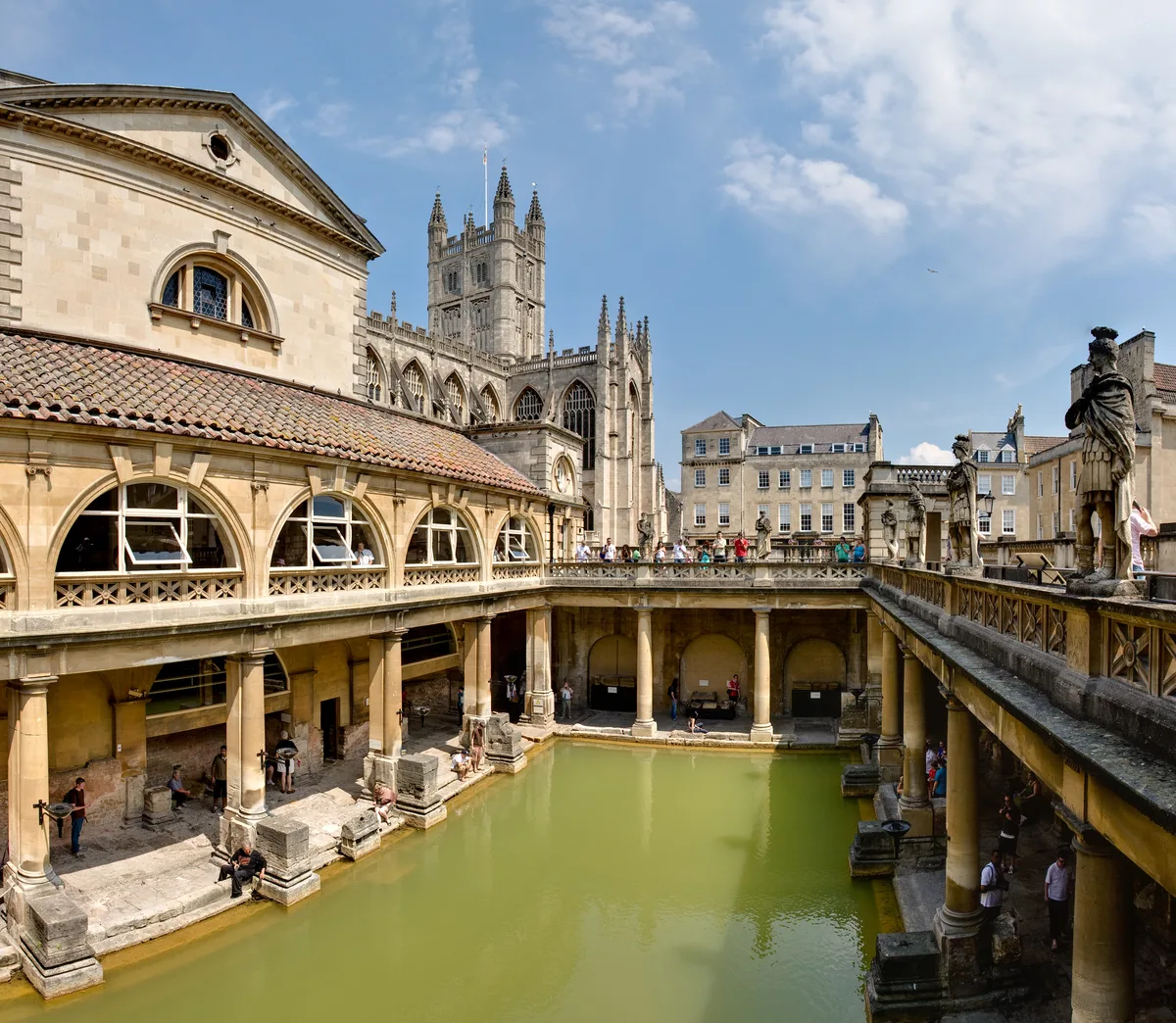
Roman Baths
Roman Baths — museum and site in Bath, United Kingdom.
More historic houses in this region
 📷 5
📷 5Historic houses · South West England
1 South Parade
1 South Parade — Grade I listed house in Bath, Somerset, England, UK.
_(geograph_6440799).jpg?width=1200) 📷 5
📷 5Historic houses · South West England
1-4 Lansdowne Grove, Morris Lane
1-4 Lansdowne Grove, Morris Lane — houses in Devizes, Wiltshire, England, UK.
 📷 5
📷 5Historic houses · South West England
2, South Place, Lacock Road
2, South Place, Lacock Road — house in Corsham, Wiltshire, England, UK.
.jpg?width=1200) 📷 4
📷 4Historic houses · South West England
3 Kingsdown House
3 Kingsdown House — house in Box, Wiltshire, England, UK.
Frequently asked questions
- Where is Bath Assembly Rooms?
- Bath Assembly Rooms is in South-West England, United Kingdom (postcode BA1 2QH), in the parish of Bath and North East Somerset, unparished area.
- What is Bath Assembly Rooms?
- Bath Assembly Rooms — a Grade I-listed historic house in england-south-east, United Kingdom.
- How do I get to Bath Assembly Rooms?
- The nearest railway station is Bath Spa, about 1.0 km away. The nearest town is Bathford. Drivers can use postcode BA1 2QH.
- When was Bath Assembly Rooms built?
- Built or established in 1771. Designed by John Wood.
- Who owns Bath Assembly Rooms?
- Bath Assembly Rooms is owned by National Trust.
- Is Bath Assembly Rooms a listed building?
- Bath Assembly Rooms is officially recognised as Grade I listed.
- Is Bath Assembly Rooms a protected site?
- Yes — Bath Assembly Rooms is part of the Combe Down and Bathampton Down Mines SSSI Site of Special Scientific Interest and the Cotswolds National Landscape (AONB).
- How do I get to Bath Assembly Rooms?
- The nearest railway station is Bath Spa, about 1.0 km away. Drivers can navigate to postcode BA1 2QH.